FamilyTech Technical Centre
Preparing your learning experience...
Preparing your learning experience...
This intensive certification course equips students with the essential knowledge and practical skills required for professional gate automation design, installation, programming, and maintenance across residential, commercial, and industrial applications. The program combines comprehensive theoretical understanding of electrical principles, mechanical systems, control electronics, and safety regulations with extensive hands-on practice using professional equipment and installation techniques. Graduates emerge prepared for careers as certified gate automation installers, system technicians, project managers, and self-employed contractors in Kenya's growing security and access control sector. Students learn to assess installation sites and select appropriate gate operators, install sliding and swing gate automation systems with precision, configure safety devices including photoelectric beams and force monitoring systems, program control systems for access control integration, troubleshoot mechanical and electrical faults systematically, implement rigorous safety and compliance protocols, and build essential business and client relationship skills. The course emphasizes both technical excellence and professional service standards, ensuring graduates can confidently deliver gate automation solutions that meet client expectations for security, convenience, and reliability across all sectors of the industry.

Build skills for jobs, business, and growth.
Hands-on instruction with real-world application.
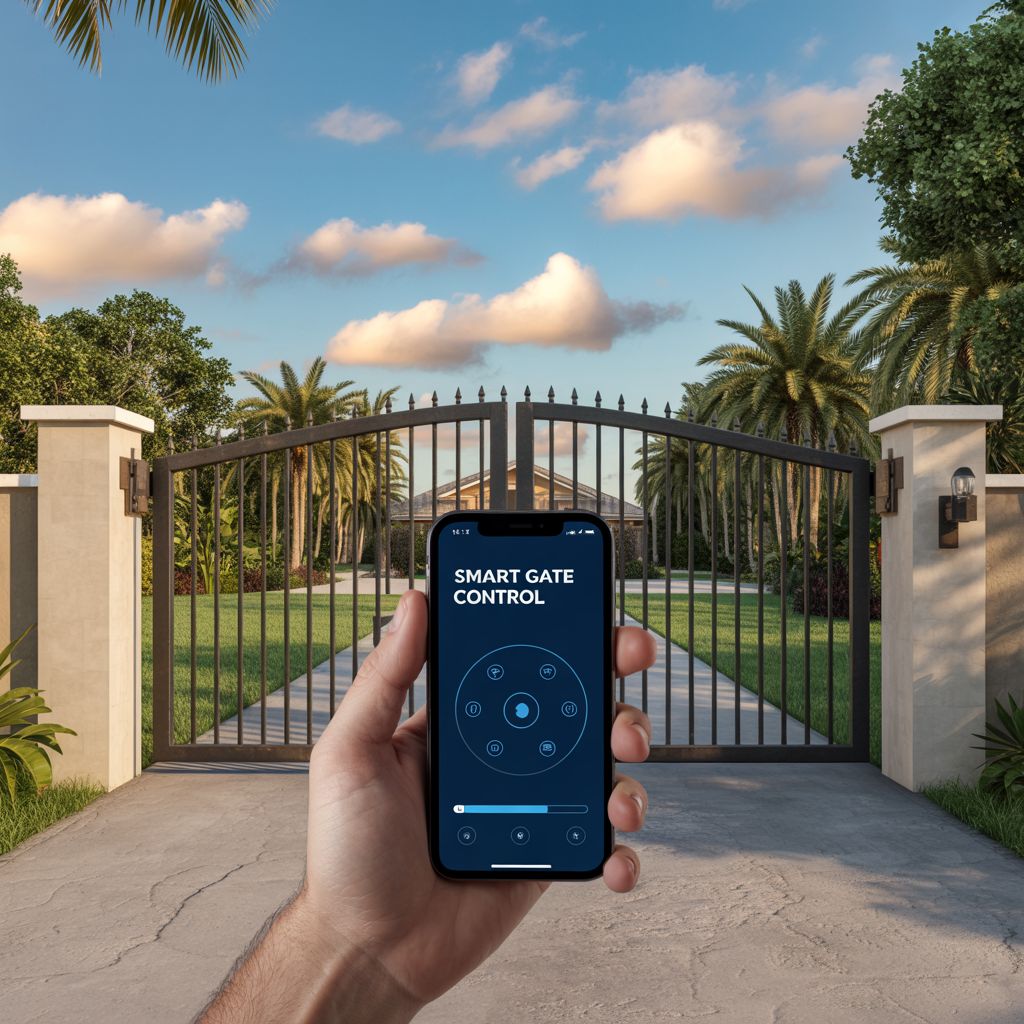
The Gate Automation course provides comprehensive training in the design, installation, programming, and maintenance of modern automated gate systems for residential, commercial, and industrial applications. This hands-on program equips students with the technical expertise required to excel in Kenya's growing security and access control sector, where skilled gate automation technicians are in consistently high demand. The curriculum bridges foundational electrical and mechanical principles with advanced automation techniques, preparing graduates for careers as certified gate automation installers, system technicians, project managers, and self-employed contractors in the security and construction industries. Students receive thorough instruction in the fundamental principles of gate automation systems and their operational components. The curriculum covers the complete range of gate automation technology, including electric motors for swinging and sliding gates, remote controls, keypads, access control devices, limit switches, sensors, and safety accessories. Students learn how automated gate systems function as integrated security solutions, where a gate motor enables mechanical opening of a sliding or swing gate automatically, controlled by a remote or smartphone application, significantly reducing vulnerability during entry and exit. The course addresses the critical relationship between gate type, motor selection, and site conditions, teaching students to conduct professional site assessments including gate weight calculations, traffic volume analysis, and environmental exposure evaluation to select appropriately specified equipment. The program provides extensive practical training in the complete gate automation installation workflow. Students master the installation of sliding gate systems, which are preferred for space-saving applications, and swing gate systems, which require more complex automation and are correspondingly more expensive. The curriculum covers comprehensive installation procedures: site survey and foundation preparation, proper alignment of gate tracks and rack systems, motor mounting and alignment techniques, electrical wiring and control system connections, and integration of safety devices. Students develop proficiency in installing limit switches, photoelectric beams, safety edges, and force monitoring systems that automatically stop and reverse gate movement when obstructions are detected, ensuring the safety of children, pets, and vehicles. Significant emphasis is placed on control systems programming and access control integration. Students learn to configure programmable logic controllers for essential functions including setting travel limits, adjusting force sensitivity, enabling partial opening or pedestrian modes, and configuring automatic close timers. The curriculum covers integration with a wide range of access control devices including remote transmitters, keypads, GSM modules for phone-based control, intercom systems for visitor verification, and safety beams or edges for collision prevention. Students develop skills in connecting gate systems to broader security infrastructure, enabling integration with CCTV, alarm systems, and lighting for comprehensive site security. The course also addresses power supply requirements including battery backup and uninterruptible power supply systems to ensure gate operation during Kenya's common power outages. Safety protocols, compliance standards, and professional practice are integrated throughout the training. Students learn to apply rigorous safety standards including proper installation of entrapment protection devices, force monitoring systems, and emergency stop mechanisms. The curriculum covers electrical safety including dedicated circuits with surge protection to protect control boards from voltage spikes, proper wiring through conduits, and protection from mechanical damage. Students develop skills in conducting thorough risk assessments to identify and mitigate hazards, designing and installing gates with safety as the primary priority, and implementing maintenance protocols that keep installations safe and compliant. The course emphasizes the importance of professional documentation including system handover records, compliance certificates, and maintenance logs. Beyond technical expertise, the program includes comprehensive business development content for building successful careers in gate automation. Students explore project estimation, pricing strategies, and quotation preparation for gate automation projects, with typical costs in Kenya ranging from Ksh 110,000 to Ksh 130,000 for professional installations including motor, accessories, and labour. The curriculum covers client consultation and communication techniques, cost estimation, and developing maintenance contracts and service agreements. Students learn about career certification pathways including available technician and installer credentials, and strategies for starting and growing an installation business in Kenya's booming security and automation sector. By course completion, students will have developed the confidence and competence to independently design, install, program, and maintain professional gate automation systems that meet the highest standards of safety, reliability, and client satisfaction across all sectors of the industry.
Depending on the program, graduates can pursue employment opportunities, freelance work, entrepreneurship, internships, or advanced professional training. FamilyTech Technical Centre structures its programs to support real-world readiness and long-term career growth.
Join FamilyTech Technical Centre and gain the knowledge, confidence, and practical skills you need to succeed in today’s competitive world.