
FamilyTech Technical Centre
Preparing your learning experience...
Preparing your learning experience...
This intensive certification course equips students with the essential knowledge and practical skills required for professional electric fence installation, testing, and maintenance across residential, commercial, security, and agricultural applications. The program combines comprehensive theoretical understanding of electrical principles, system components, and safety regulations with extensive hands-on practice using professional tools and installation techniques. Graduates emerge prepared for careers as certified electric fence installers, security system technicians, project managers, and self-employed contractors in Kenya's growing security and agricultural sectors . Students learn to assess installation sites and design effective fencing systems, select appropriate energizers and components, install free-standing, wall-top, and custom electric fences, implement proper earthing and lightning protection systems, master systematic fault-finding and troubleshooting techniques, conduct routine maintenance to ensure system performance, and prepare compliance documentation and certificates. The course emphasizes both technical precision and professional service standards, ensuring graduates can confidently deliver electric fencing solutions that meet the highest standards of safety, reliability, and client satisfaction across all sectors of the industry.
Build skills for jobs, business, and growth.
Hands-on instruction with real-world application.
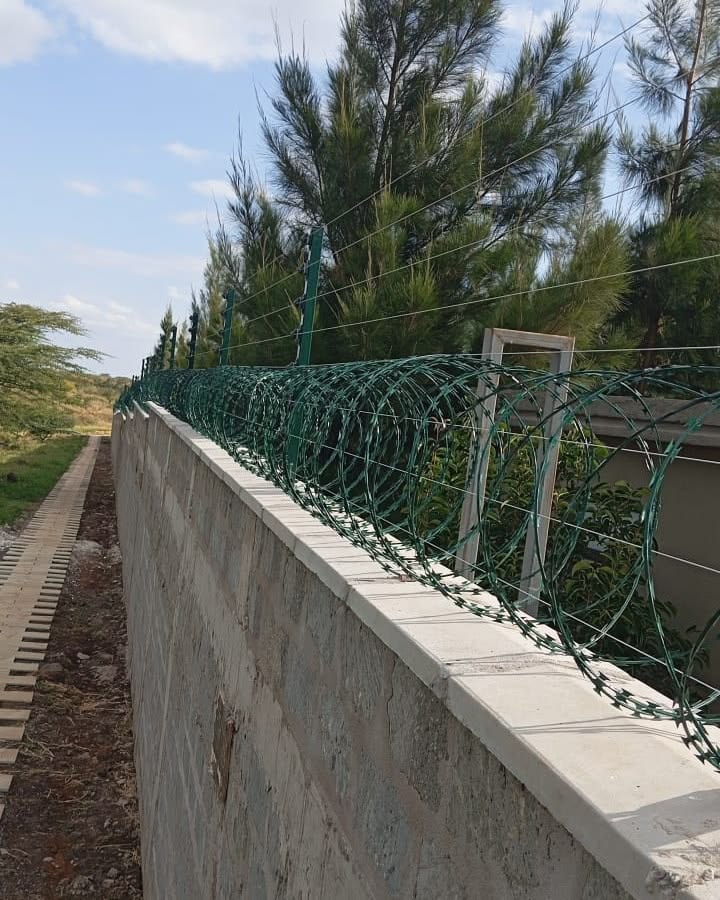
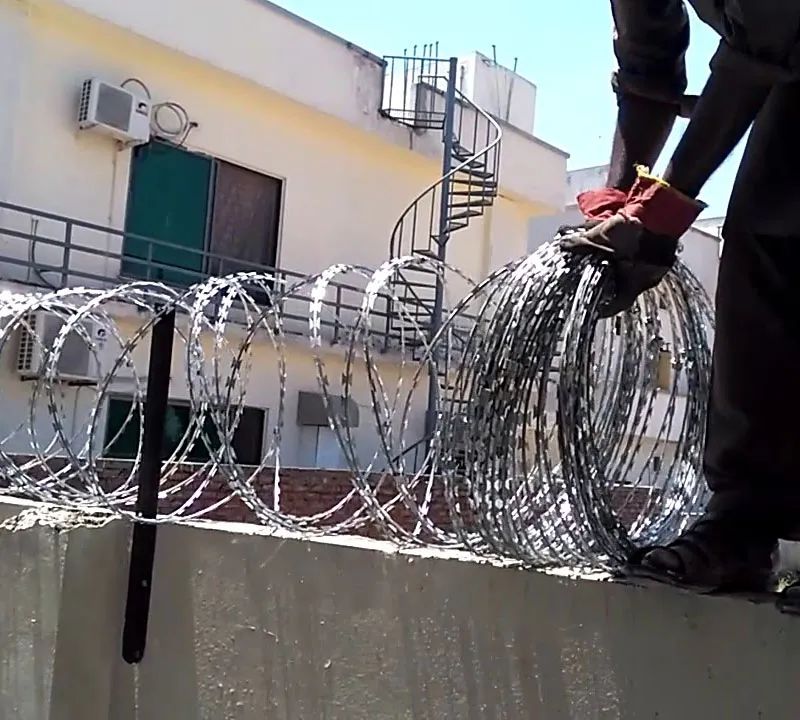
The Electric Fencing course provides comprehensive training in the design, installation, and maintenance of professional electric security fencing systems for residential, commercial, agricultural, and industrial applications. This hands-on program equips students with the technical expertise required to excel in Kenya's growing security and agricultural sectors, where qualified electric fence installers are in high demand . The curriculum bridges foundational electrical theory with advanced installation techniques, preparing graduates for careers as certified electric fence system installers, security system technicians, project managers, and self-employed contractors in the security and livestock management industries . Students receive thorough instruction in the fundamental principles of electric fencing systems and their operation. The curriculum covers the complete range of electric fencing components, including energizers, wires, poles, insulators, and grounding equipment . Students learn how an electric fence functions as an incomplete circuit, where a power energizer converts power into brief high-voltage pulses sent along bare wires, delivering an effective but safe shock to deter intruders or animals . The course addresses different energizer types including mains-powered, battery-powered, and solar-powered systems, with instruction on calculating joule requirements and selecting appropriate energizers for specific applications . Students develop an understanding of the critical relationship between the energizer, grounding system, and fence design, learning that effective grounding completes the electrical circuit and is essential for system performance . The program provides extensive practical training in the complete electric fence installation workflow using modern materials and professional techniques. Students master the installation of various fence types, including free-standing electric fences, top wall electric fences, and custom installations for specific security or livestock applications . The curriculum covers comprehensive site assessment techniques, teaching students to evaluate property characteristics, take accurate measurements, and calculate component requirements for effective system design . Students learn to select appropriate materials, prepare poles and mounting brackets, install insulators correctly, and thread, tension, and terminate wires using proper joining techniques including line clamps and ferrules . Training includes proper installation of earthing systems using galvanized steel rods spaced appropriately, connecting energizers to power sources, and integrating auxiliary devices such as alarms and monitoring systems . The course places significant emphasis on system testing, maintenance, and professional compliance procedures. Students learn systematic fault-finding techniques, using specialized test equipment including fence meters, multimeters, and voltmeters to measure voltage levels and identify issues such as poor connections, vegetation shorts, or inadequate grounding . The curriculum covers routine maintenance protocols including weekly voltage checks, visual inspections for vegetation growth, checking wire tension, and cleaning energizer terminals to maintain optimal performance . Students learn to identify and address common faults including voltage drops, earthing problems, and lightning damage, with instruction on installing lightning diverters to protect equipment . The program addresses compliance requirements including completion of Electric Fencing System Certificates of Compliance, understanding current legislation and safety standards, and proper installation of warning signage at gates and property corners . Beyond technical expertise, the program includes comprehensive business and project management content for building successful careers. Students explore the complete project workflow from site assessment, design, material selection, and costing through implementation, commissioning, and maintenance . The curriculum covers preparing professional quotations and work plans, managing installation projects efficiently, and communicating effectively with clients to ensure requirements are met . Students learn to work as part of installation teams, organize and manage activities to ensure timely completion, and maintain detailed records and handover documentation . The course addresses career pathways and entrepreneurship opportunities, from entry-level installer positions to roles as security managers, project managers, building contractors, and independent electric fencing contractors serving the residential, commercial, and agricultural sectors . By course completion, students will have developed the confidence and competence to independently design, install, test, and maintain professional electric fencing systems that meet safety standards and client expectations for security and reliability.
Depending on the program, graduates can pursue employment opportunities, freelance work, entrepreneurship, internships, or advanced professional training. FamilyTech Technical Centre structures its programs to support real-world readiness and long-term career growth.
Join FamilyTech Technical Centre and gain the knowledge, confidence, and practical skills you need to succeed in today’s competitive world.